Recapo.ai
Video Editing & Recap Blog
Guides and articles from Recapo.ai for video editing, recap workflows, creators, and AI production.

Start with one verified source package, select self-contained moments before translation, create one source-language 9:16 master, then localize captions, voi

Use noise reduction when unwanted sound is a relatively steady layer such as hiss, hum, wind, or room rumble. Use voice isolation or stem separation when spe

Fix uneven volume in stages: correct clip-level differences, control sudden peaks, automate intentional changes, then normalize the completed program toward
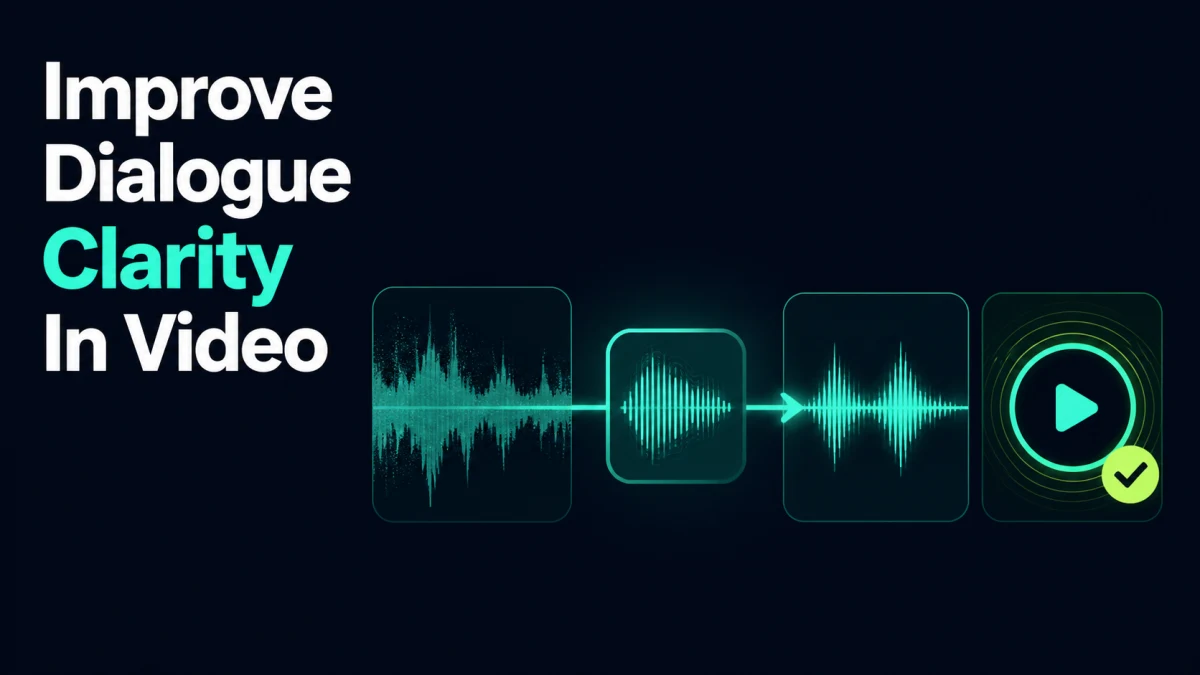
Improve dialogue clarity by identifying what masks speech, selecting the cleanest source, reducing competing sounds, correcting tonal imbalance, and balancin
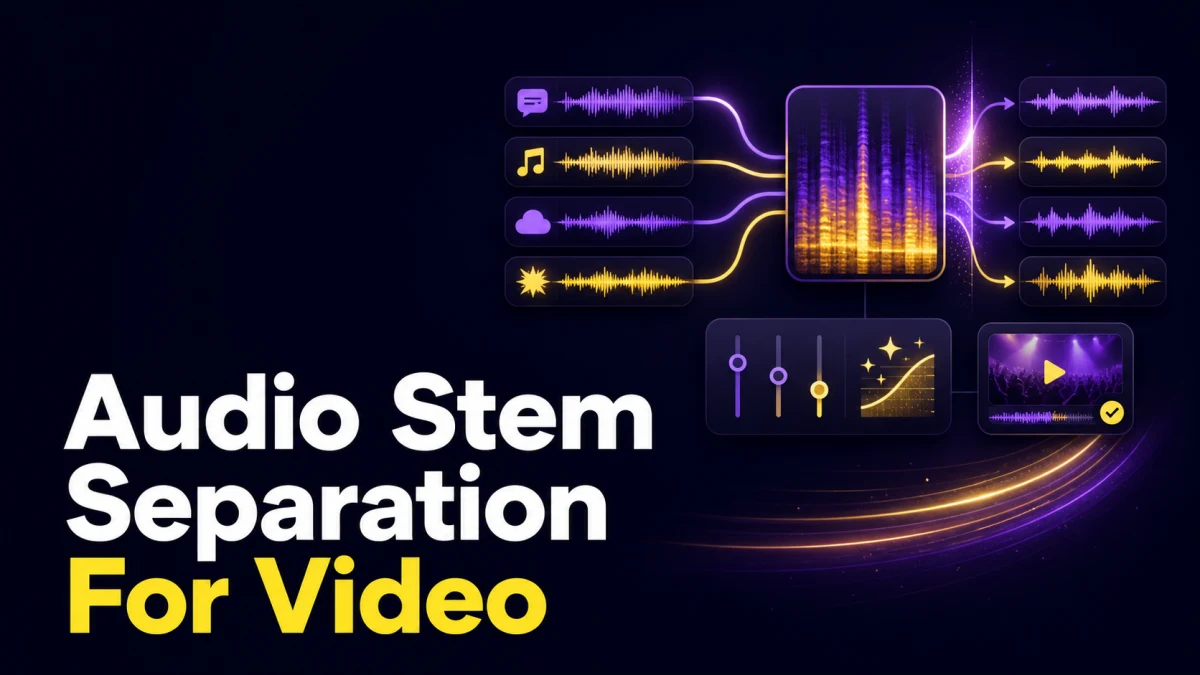
Audio stem separation estimates individual components—such as dialogue, music, and effects—from a mixed soundtrack. It can create editable control where orig
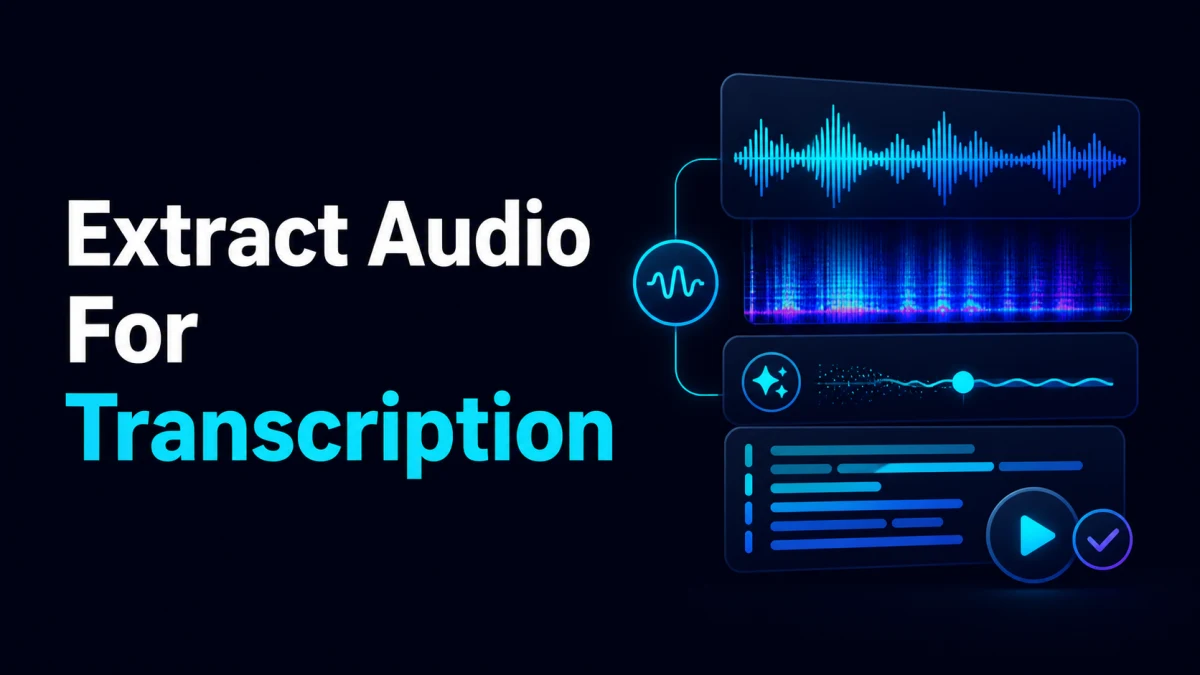
Extract audio from the locked video without changing duration, preserve a timecoded master, prepare a speech-focused transcription copy, and verify the trans
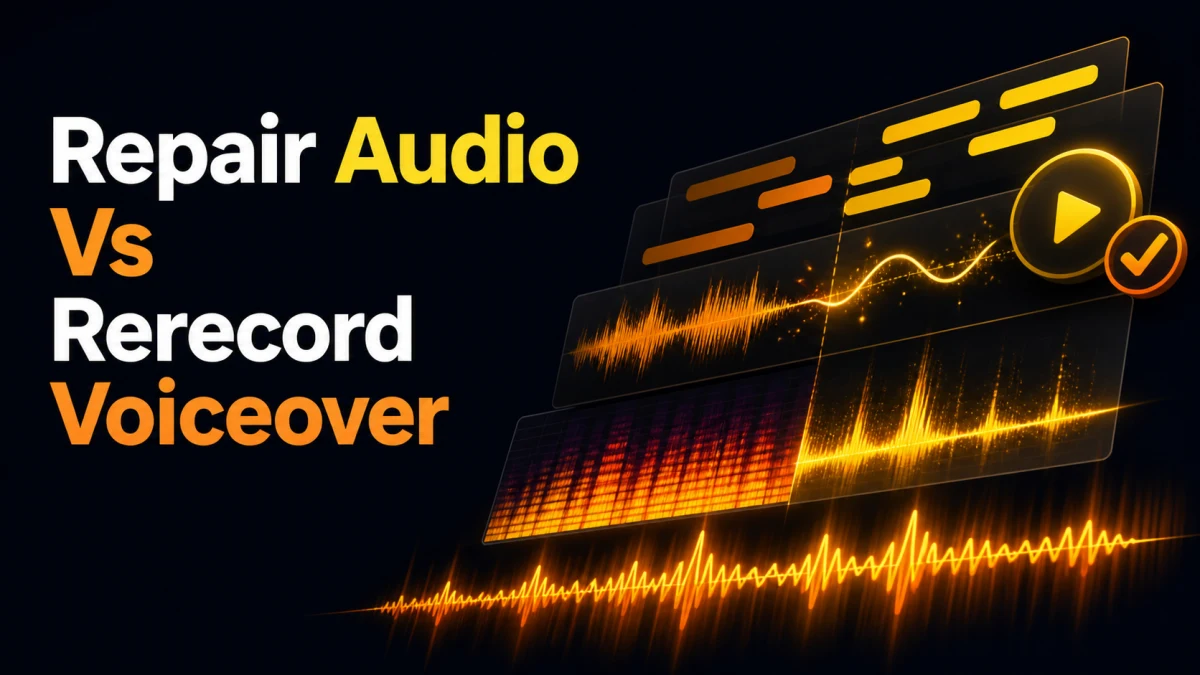
Repair audio when the words are intact and defects are removable without obvious artifacts. Re-record when speech is clipped, missing, wrong, legally unsafe,
Fix AI pronunciation with a versioned lexicon, phonetic or respelled entries, context-aware acronym rules, and sentence-level tests. Correct the script befor
Set pacing from information density and visual events, not a universal words-per-minute target. Use a fast hook only when it remains clear, slow down names a
Review the final encoded video for intelligibility, defects, balance, loudness, sync, channel behavior, accessibility, and platform playback. A timeline that
Short-drama marketing needs narrative-aware clipping, not a pile of visually intense shots. Build campaigns around character desire, obstacle, reversal, revea
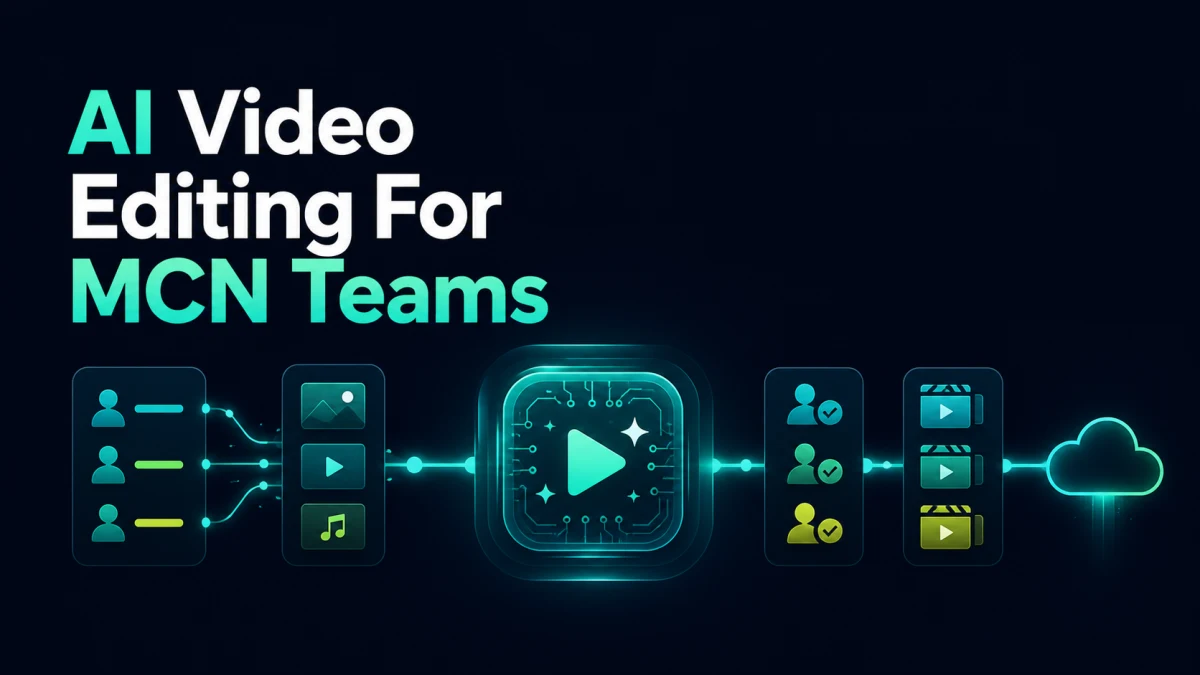
A scalable MCN workflow separates editorial policy from repetitive execution: centralize source intake, rights, metadata, prompts, review gates, and reusable
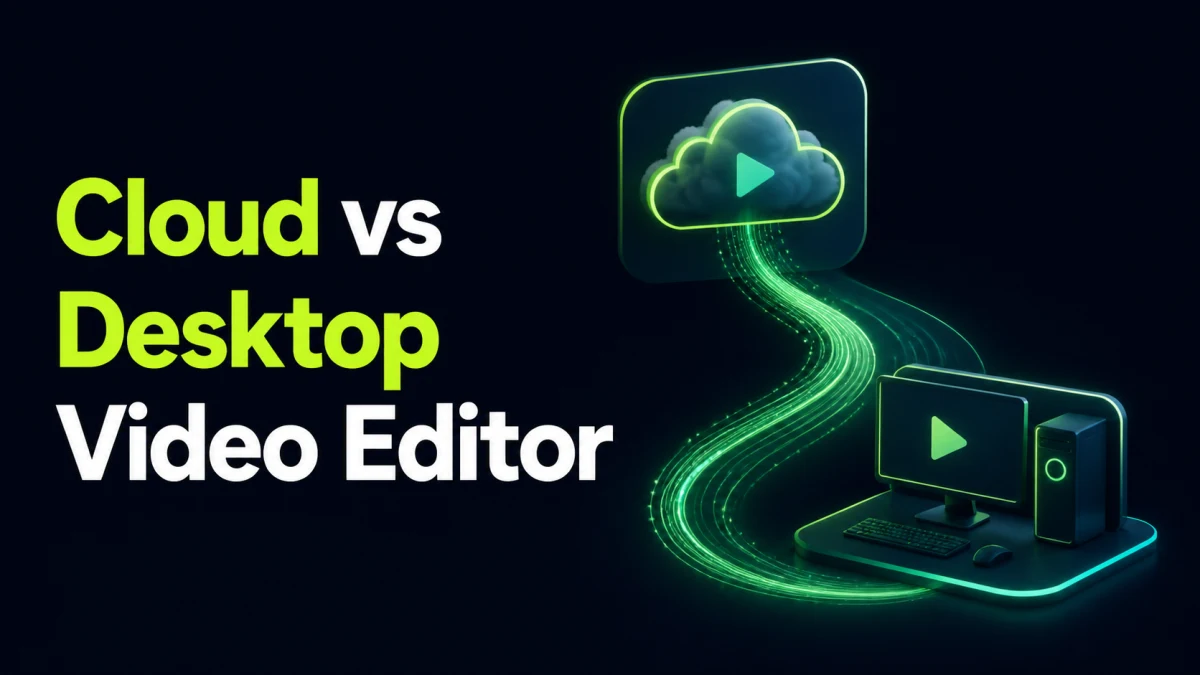
Choose a cloud editor for rapid access, collaboration, scalable processing, and lower workstation dependence; choose desktop editing for deep local control, d

Sports media teams should automate candidate detection, proxy handling, captions, reframing, and delivery while keeping humans responsible for game state, att

Gaming creators can automate event detection, transcript search, reframing, captions, and exports, but selection must preserve the setup, stakes, player ident
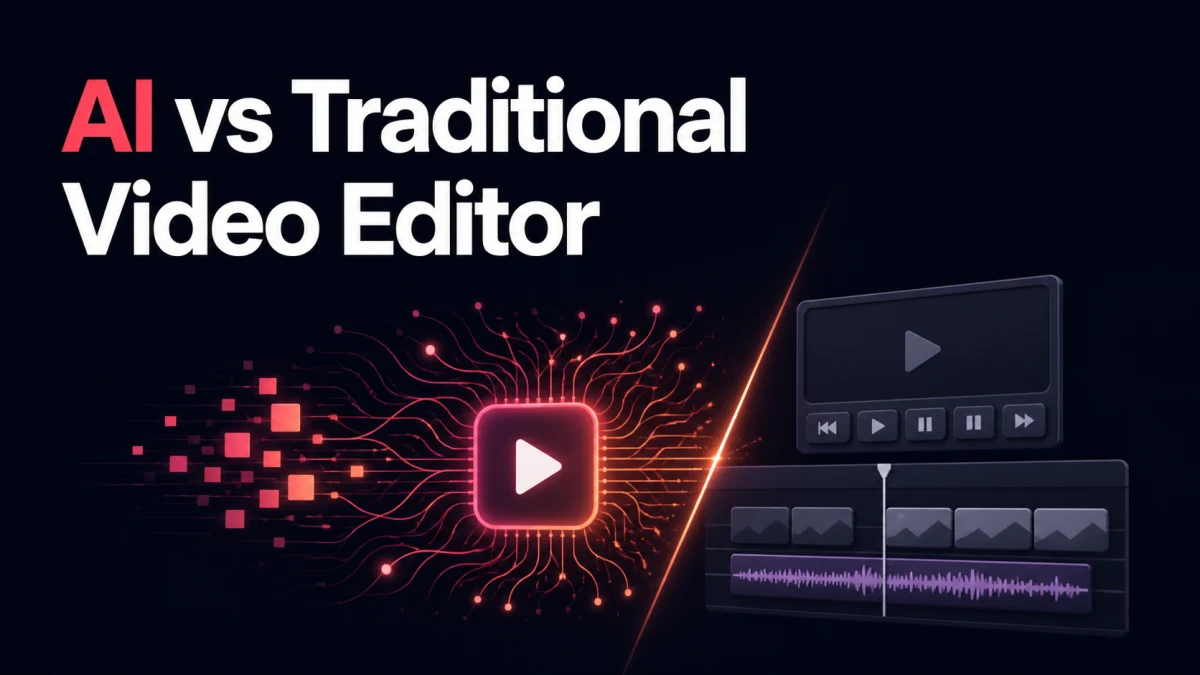
An AI video editor accelerates search, transcription, candidate generation, reframing, captions, cleanup, and repetitive versions. A traditional editor provid
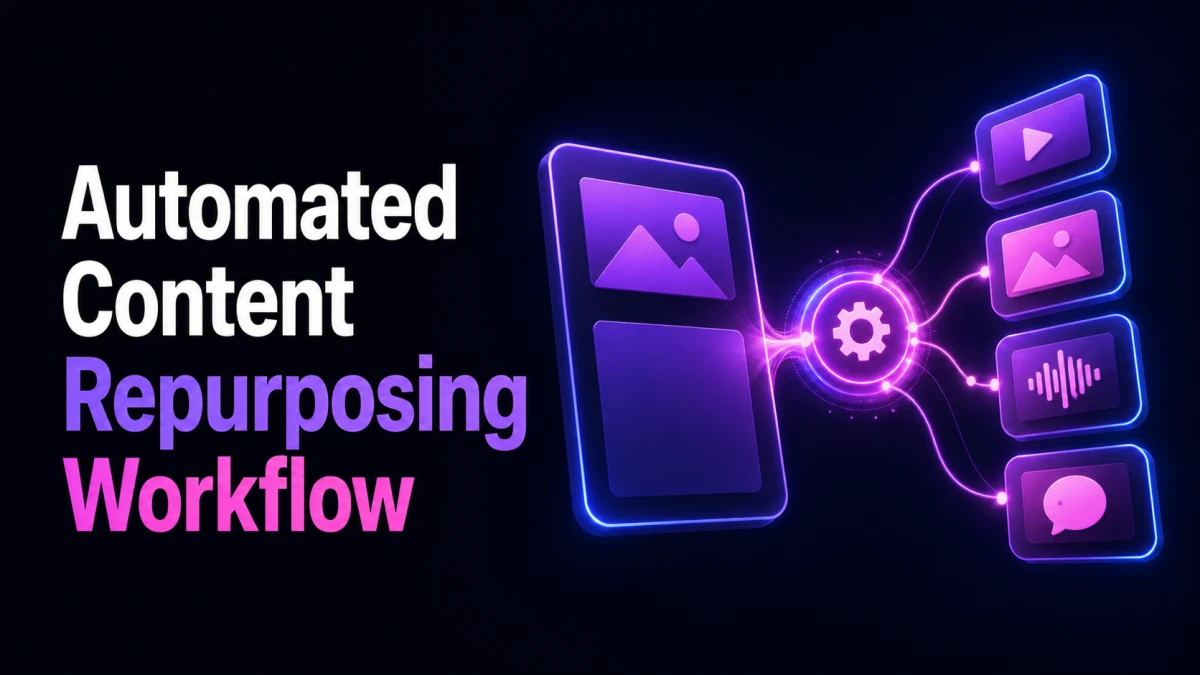
Automate long-form repurposing by standardizing source intake, messaging, candidate discovery, evidence review, channel adaptation, captions, localization, ap
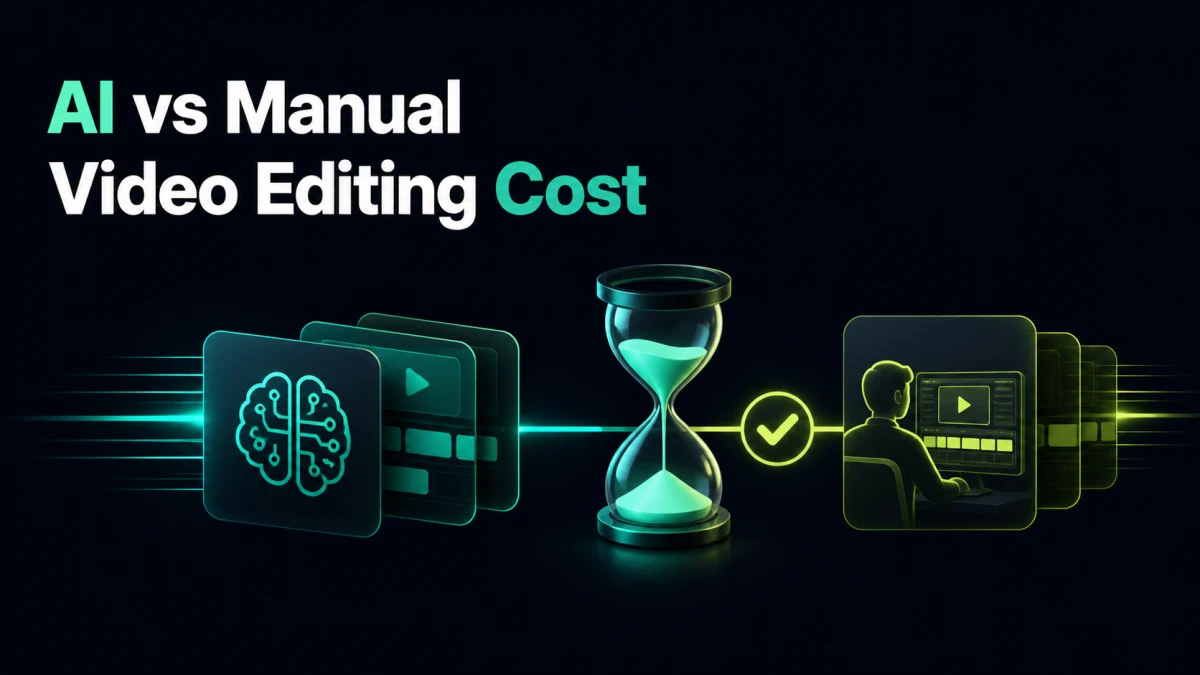
AI editing lowers cost most reliably in search, transcription, candidate generation, captions, reframing, cleanup, and repeated versions. Manual editing remai
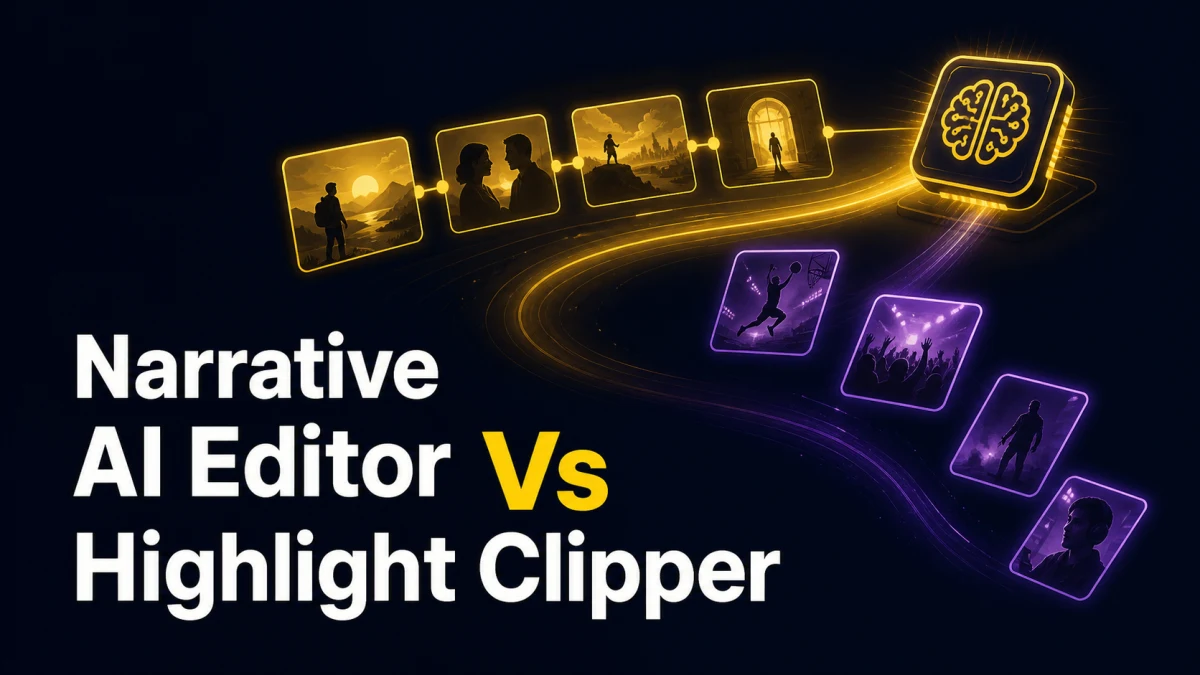
Choose a highlight clipper when value is concentrated in independent peaks such as goals, reactions, or quotable moments. Choose a narrative AI editor when me
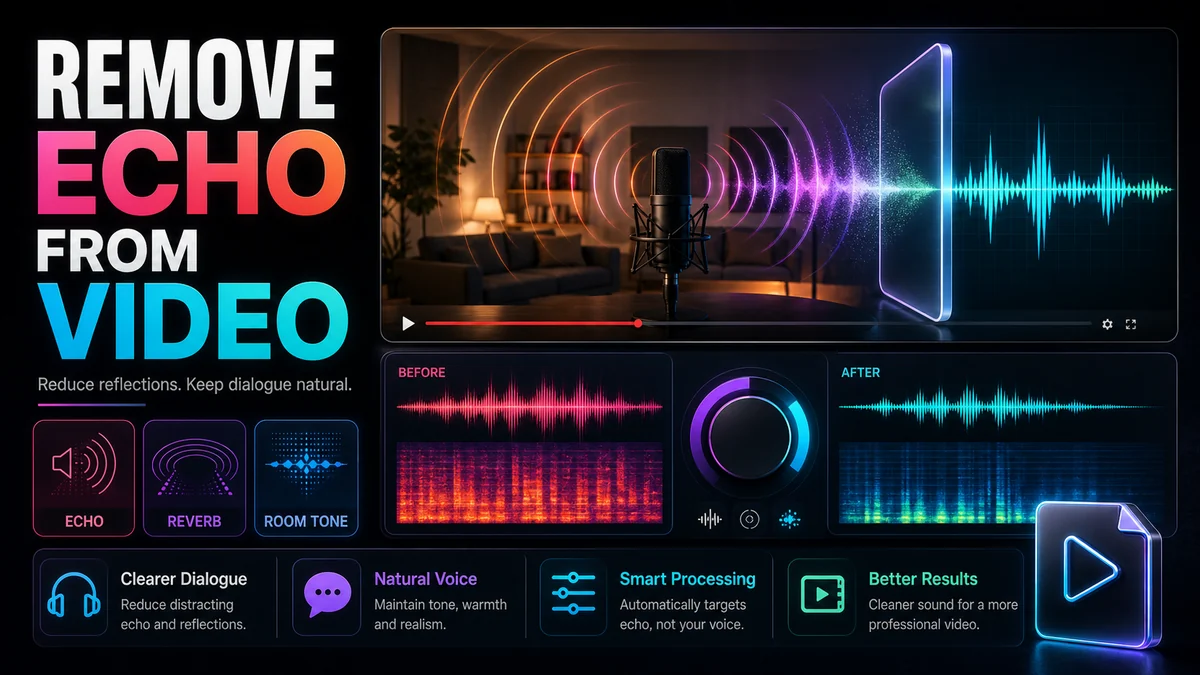
Learn how to remove echo from video dialogue, tell echo from reverb and room tone, apply cautious cleanup, and improve future recordings.
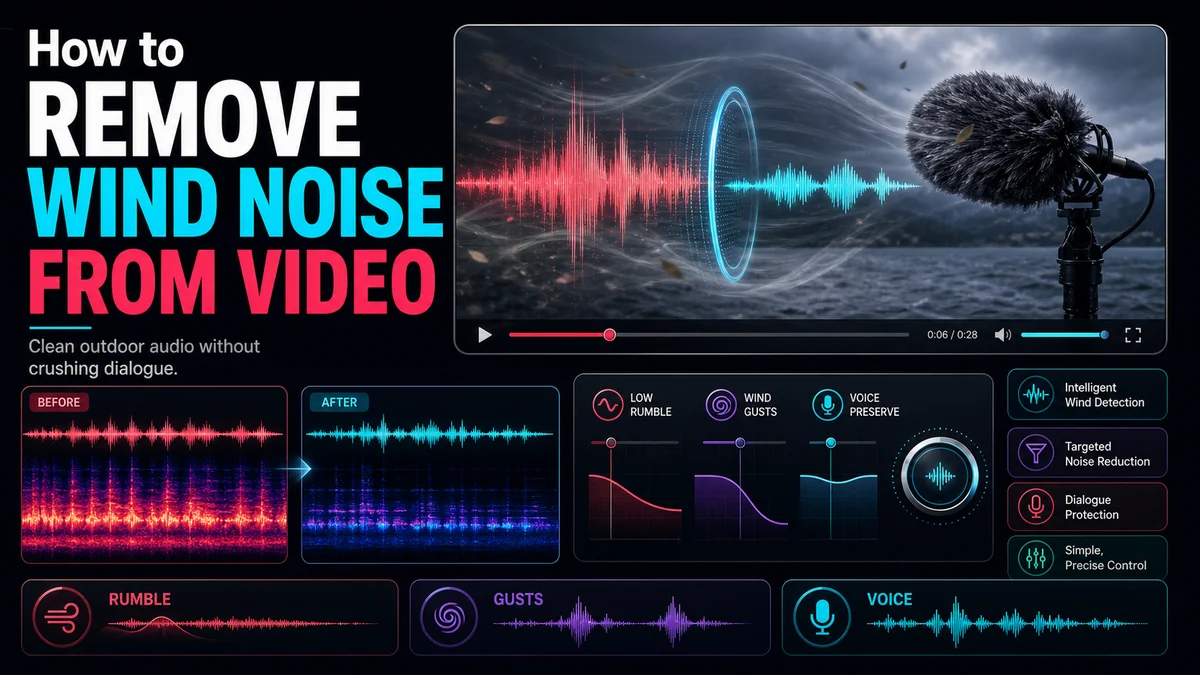
Learn how to remove wind noise from video audio, distinguish rumble from distortion, clean the track cautiously, and prevent wind at capture.
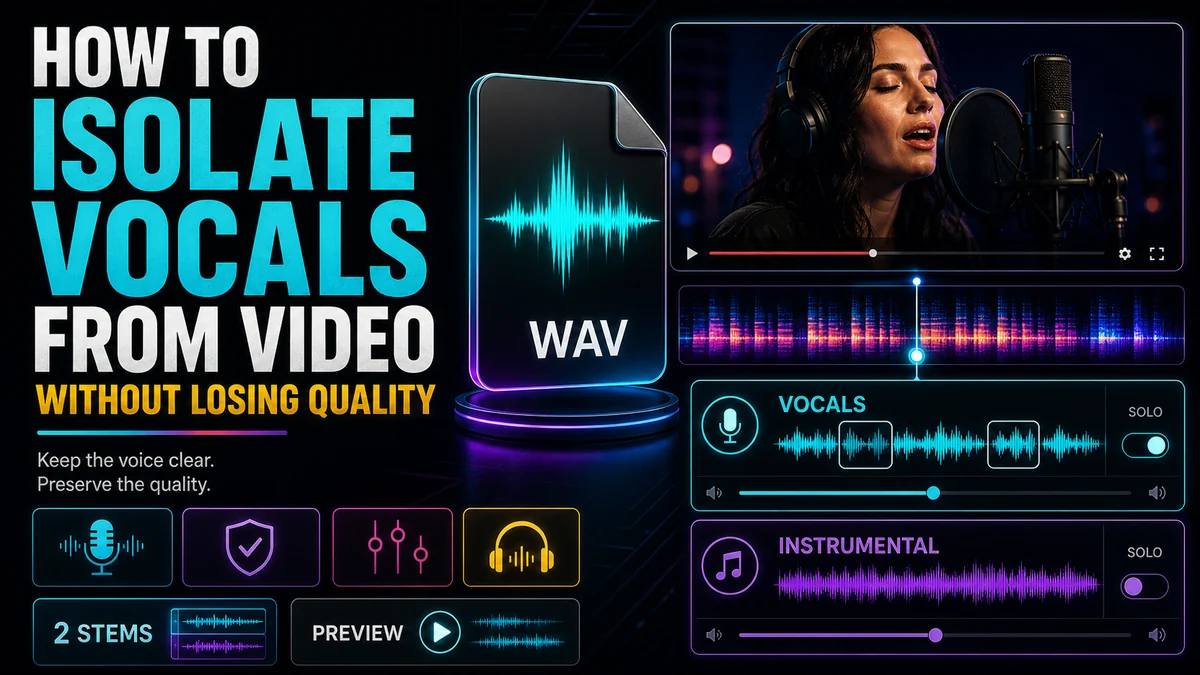
Learn how to isolate vocals from video while minimizing quality loss, checking stem residue, and choosing between vocal and dialogue separation.
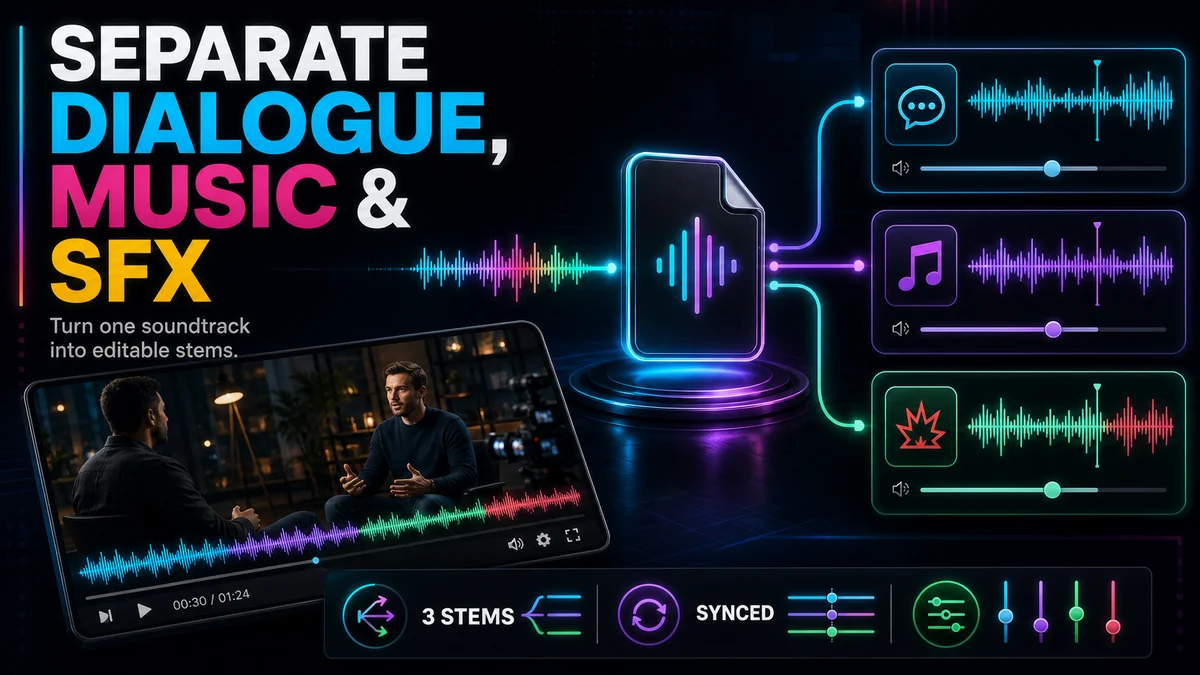
Learn how to separate dialogue, music, and sound effects from a video, review each stem, repair residue, and prepare a clean new mix.
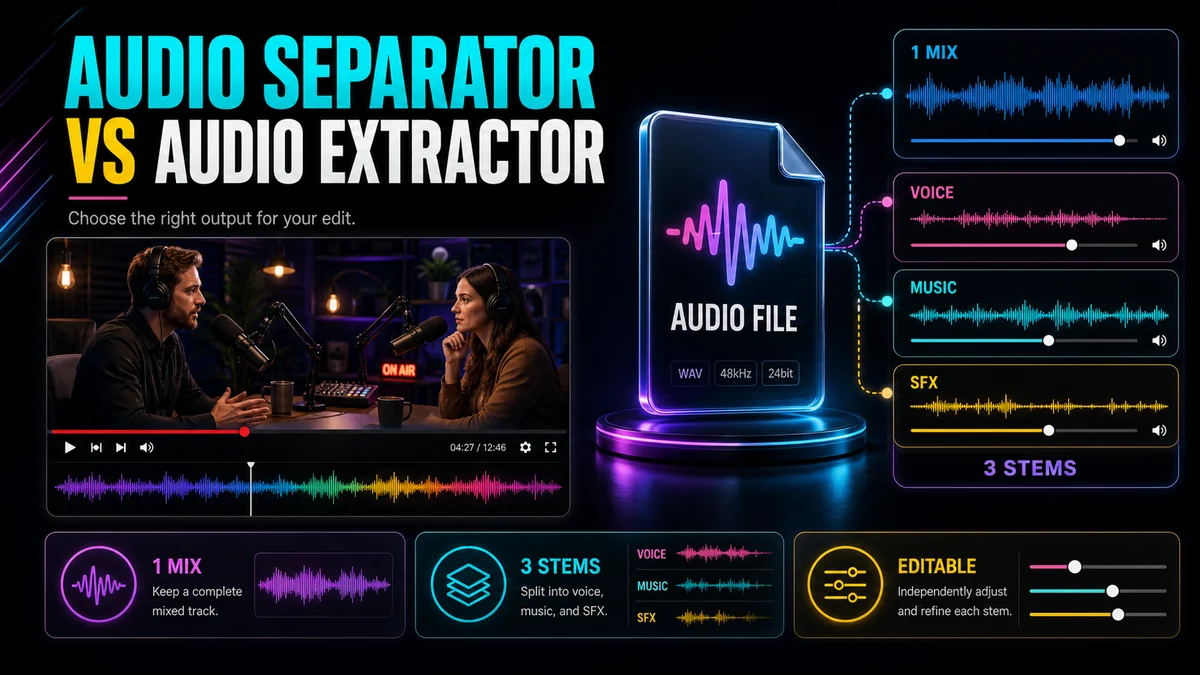
Compare an audio separator vs an audio extractor, understand their outputs, and choose the right workflow for dialogue, music, effects, or a full mix.
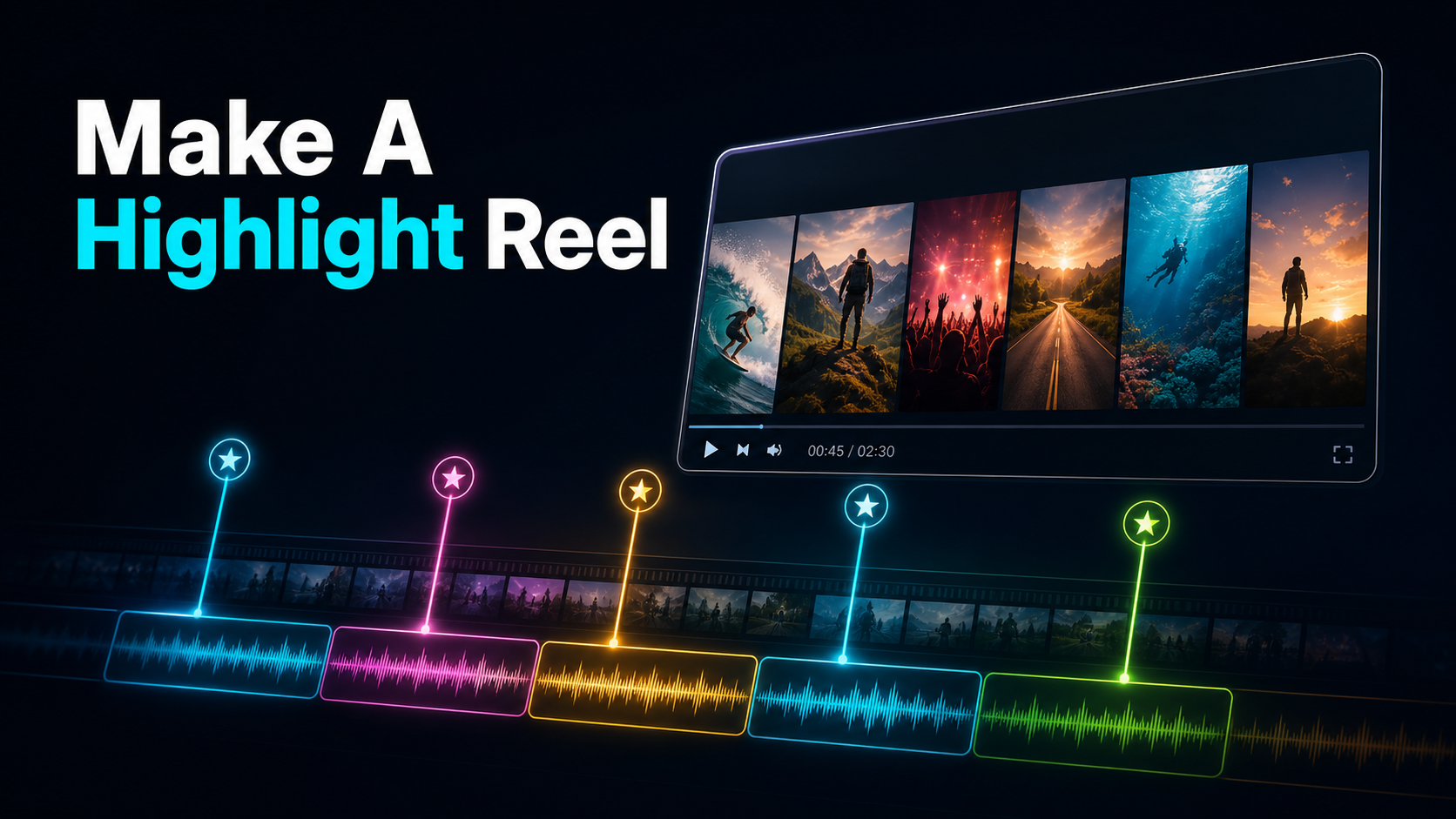
Learn how to make a highlight reel from a long video: pick your best moments with AI, then compile, pace, and caption them into one polished reel for YouTube.
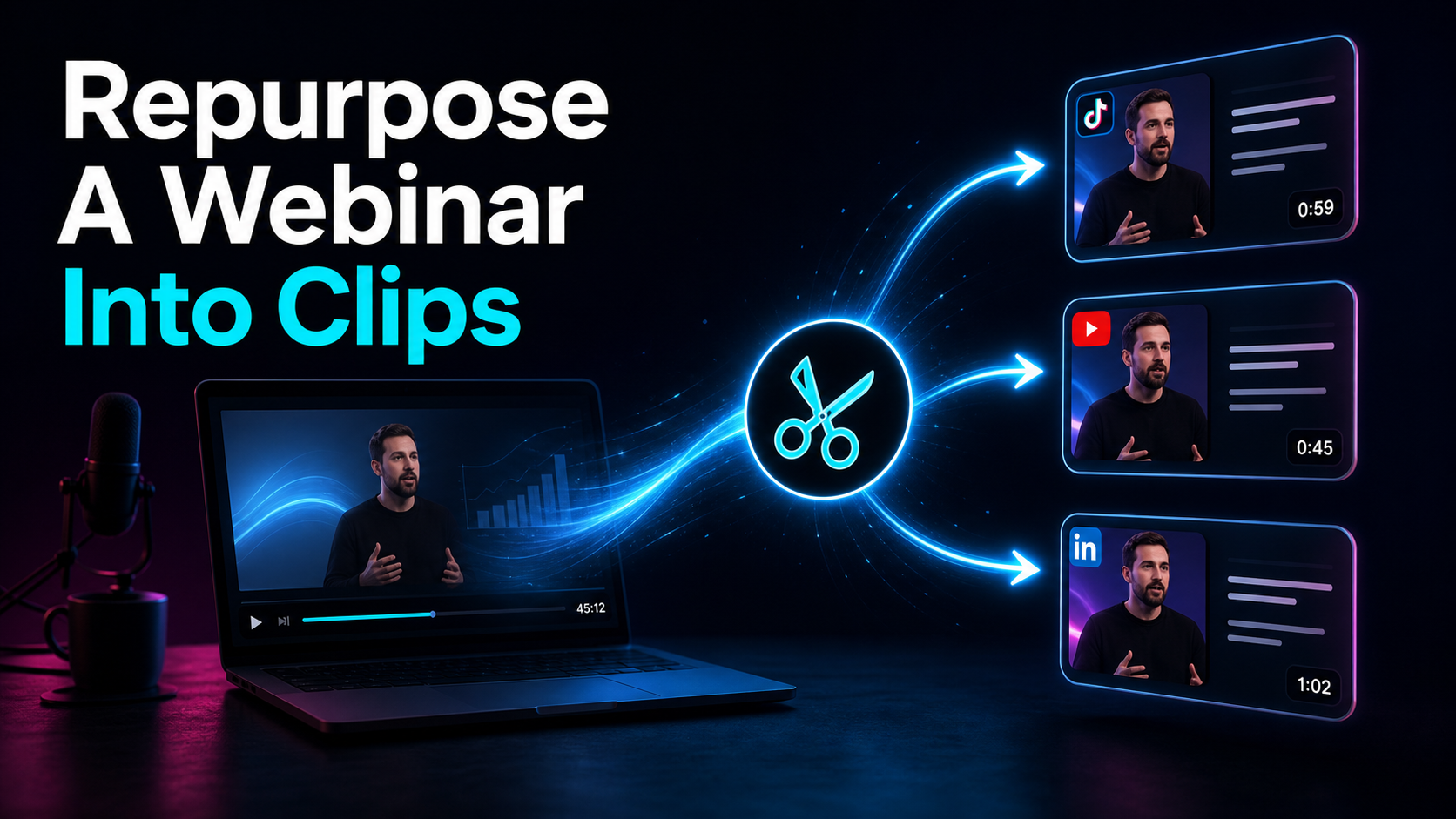
How to repurpose a webinar into clips in one browser pass: auto-transcribe, let AI surface quotable moments, reframe to vertical with burned captions.

Choose an AI editor with a representative pilot, not a feature list. Score source handling, narrative and clip quality, transcript accuracy, editability, audi
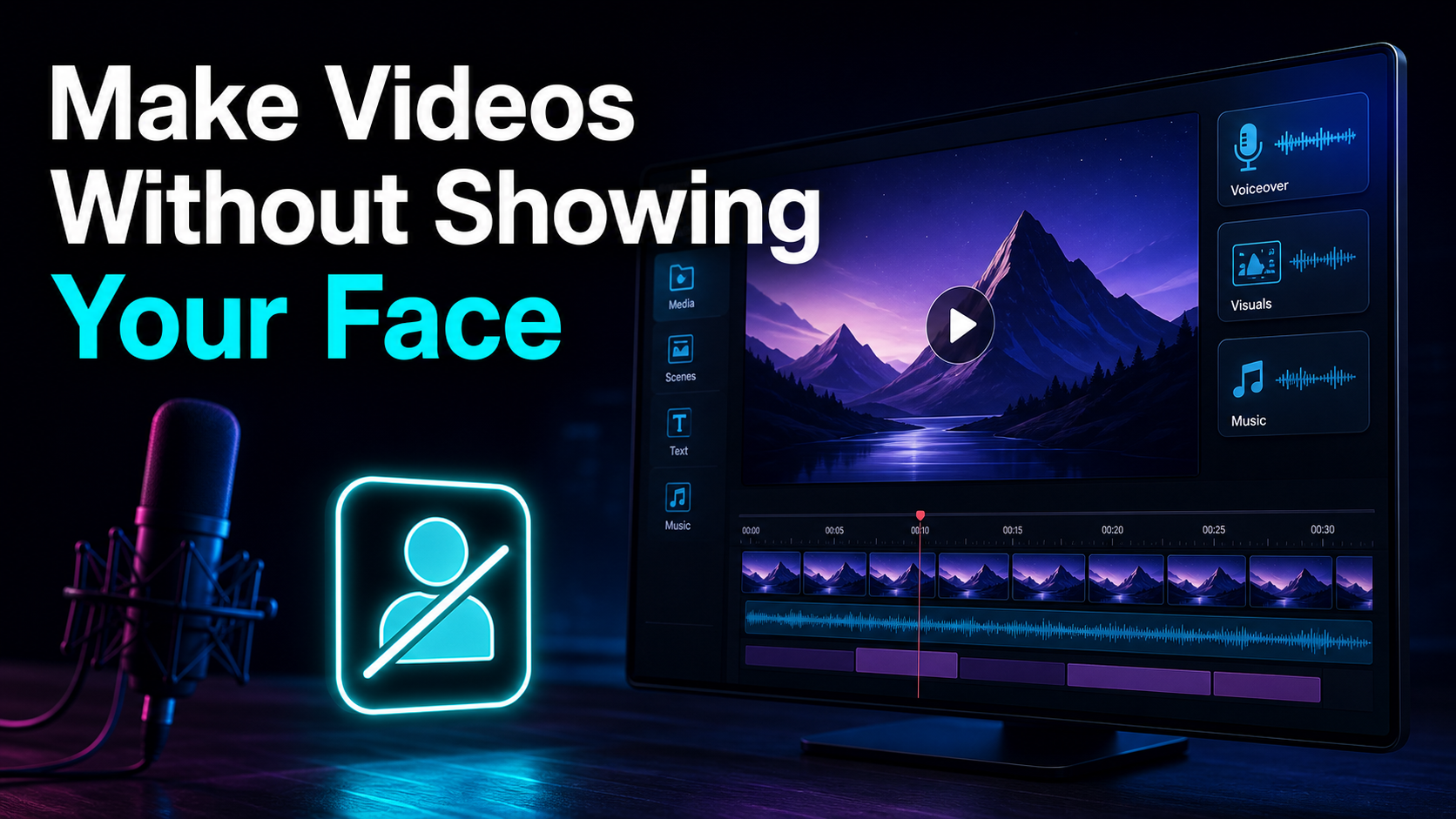
How to make a video without showing your face: a decision matrix matching your content type to the right faceless format, plus the steps to finish it.
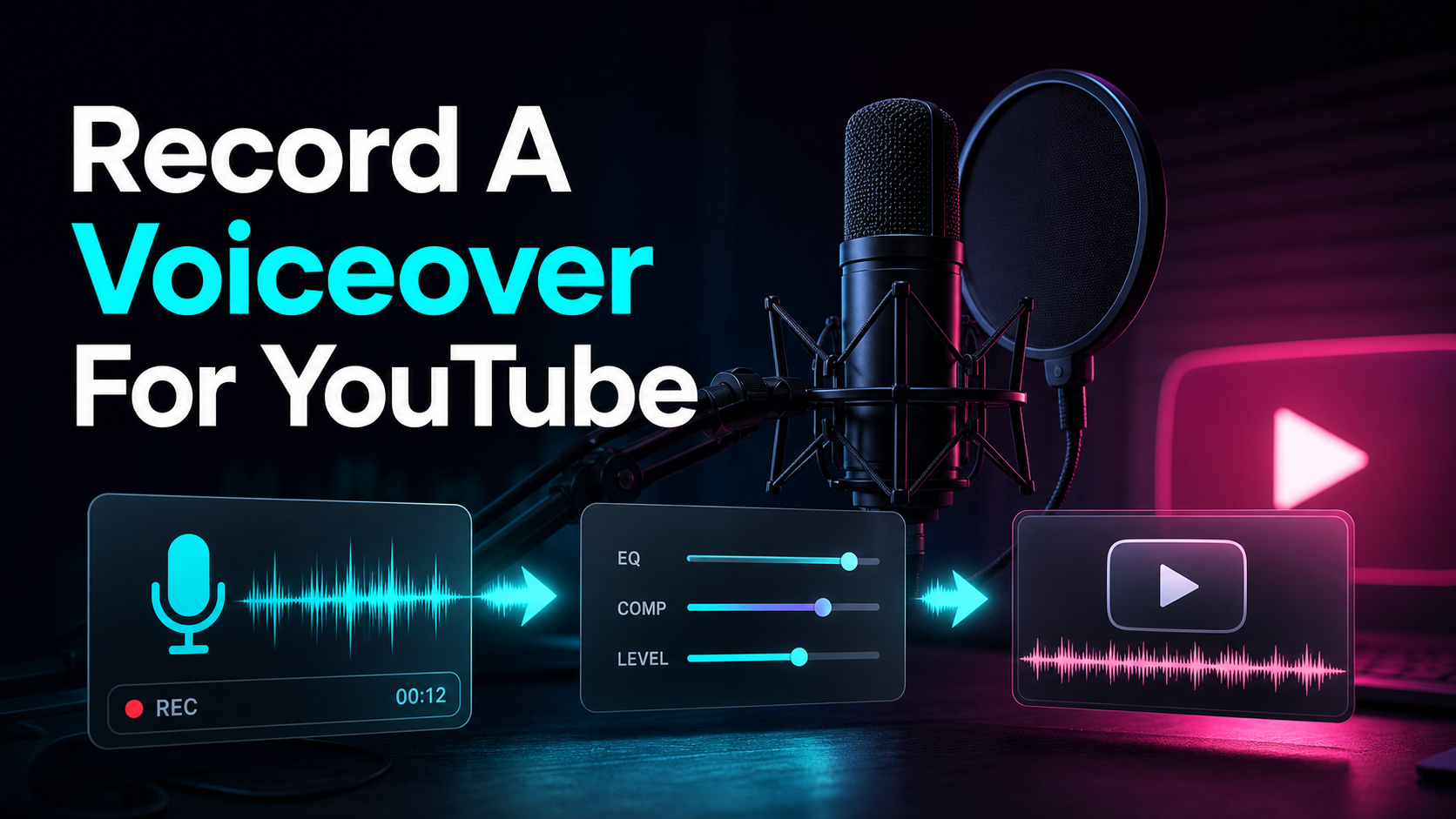
Record a YouTube voiceover with better room setup, mic technique, clean takes, noise control, captions, and a practical AI narration comparison.

Compare faceless video formats by revenue path, production effort, source rights, and repeatability, then test one idea with a small publishing batch.